Comparing Diamond Powder with Other Abrasive Powders Introduction
Diamond powder is the hardest abrasive, making it ideal for high-precision applications. Unlike silicon carbide or aluminum oxide, which are used for general grinding, diamond powder is perfect for cutting, polishing, and surface finishing in industries like optics and semiconductors. Its superior performance justifies the higher cost for demanding tasks.
10/15/20252 min read
Introduction
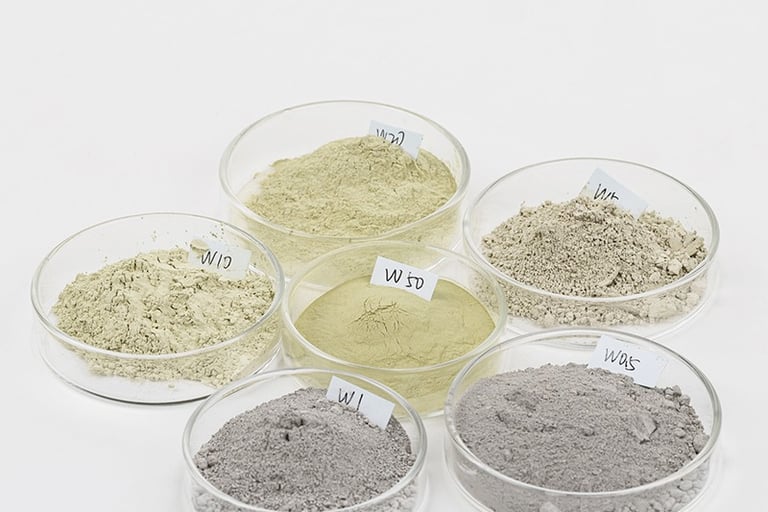
Diamond powder is renowned for its unparalleled hardness and precision, making it the go-to abrasive for a wide range of industries. But how does it compare to other common abrasives, such as silicon carbide (SiC), aluminum oxide (Al2O3), and cubic boron nitride (CBN)? This blog will delve into the key differences between diamond powder and these abrasives, exploring factors like hardness, efficiency, cost, and application suitability.
Hardness and Durability
Diamond, the hardest known material, significantly outperforms other abrasives in terms of wear resistance. Silicon carbide, although hard, is not as durable as diamond and can wear down quickly under high stress. CBN, while nearly as hard as diamond, is mainly used for processing ferrous materials and operates efficiently at higher temperatures. In comparison, aluminum oxide is much softer and is primarily used for less demanding applications.
Efficiency in Cutting and Polishing
Diamond powder excels in precision cutting and polishing, especially for hard materials like glass, ceramics, and gemstones. It maintains sharpness longer, ensuring high performance over extended use. Silicon carbide is more effective for medium-hard materials, while aluminum oxide is suitable for softer materials but loses its effectiveness quickly when dealing with tough surfaces. CBN, although highly efficient in grinding hardened steel, is not as versatile as diamond powder in terms of surface finish quality.
Cost-Effectiveness
Diamond powder is more expensive due to its rarity and production process, but its long-lasting durability often offsets the higher initial cost. Silicon carbide and aluminum oxide are cheaper alternatives, but they tend to wear out faster, requiring frequent replacement. CBN, being less costly than diamond, is still relatively expensive and used primarily in specialized applications where its unique properties shine.
Applications
Diamond powder’s versatility spans various industries, including electronics, optics, aerospace, and jewelry. Its superior performance in fine grinding and polishing makes it ideal for high-precision industries. On the other hand, silicon carbide and aluminum oxide are more commonly used in abrasive tools, sandpapers, and polishing compounds, catering to less stringent application requirements. CBN is typically employed for grinding hard metals and high-speed cutting tools.
Conclusion
While diamond powder is the most efficient abrasive in terms of hardness, longevity, and performance, the choice of abrasive depends on the specific requirements of the application. For general grinding and polishing tasks, silicon carbide and aluminum oxide provide a more cost-effective solution. However, for precision machining and challenging materials, diamond powder is unmatched. The higher cost is often justified by its superior performance, making it an essential choice for industries where quality and durability are paramount.
Get in touch for inquiries about diamond powders and expert guidance.